Choosing the right structure for holding back soil in the Mornington Peninsula plays a big role in how a property eventually looks or performs and lasts. Every site has its own challenges shaped by ground conditions or slope and even how water moves across the land. A smart choice when it comes to retaining walls in the Mornington Peninsula helps prevent future damage or costly repairs while fitting the overall style of the space. Our team at JBS Excavation & Retaining Walls concentrates on matching the material to the ground rather than forcing a one-size-fits-all option.
Experience shows that long-term performance depends on more than appearance or price alone. The way soil behaves after rain or how steep the land sits, and even how much weight presses against the structure all matter. When these factors line up with the right material, the result feels reliable and visually balanced. Understanding these details helps property owners feel confident about the decision rather than guessing and hoping for the best.
Every property behaves differently once soil is cut or filled, so site conditions always lead the decision. Ground type or slope and even moisture levels determine how much pressure builds up behind the structure over time. Ignoring these elements often leads to leaning or cracking or even early failure. Careful assessment allows the material to work with the land instead of fighting against it.
Soil makeup affects how much movement and pressure a structure will face across seasons. Clay holds water and expands, while sand drains quickly but can shift under load. Mixed ground brings unpredictable behaviour that needs extra care during planning.
The height of the cut and the angle of the land decide how much force presses against the structure. Steeper slopes and higher walls increase pressure quickly. Matching material strength to these forces prevents future movement.
Water behind the structure creates pressure that builds silently over time. Poor drainage leads to movement even in strong materials. Managing moisture remains just as important as choosing the wall type.
Each material offers clear strengths depending on site demands and expectations for longevity. Some options focus on strength, while others balance cost and appearance. Understanding how each performs under real conditions helps narrow the choice. The best outcome comes from aligning material behaviour with the land itself.
Concrete stands out for handling high pressure and long-term exposure without losing shape. It suits demanding conditions where movement would cause serious damage. This option favours stability and minimal upkeep.
Timber offers flexibility and affordability for lighter-duty applications. It blends naturally into outdoor spaces and suits smaller projects. Careful selection and treatment help extend its service life.
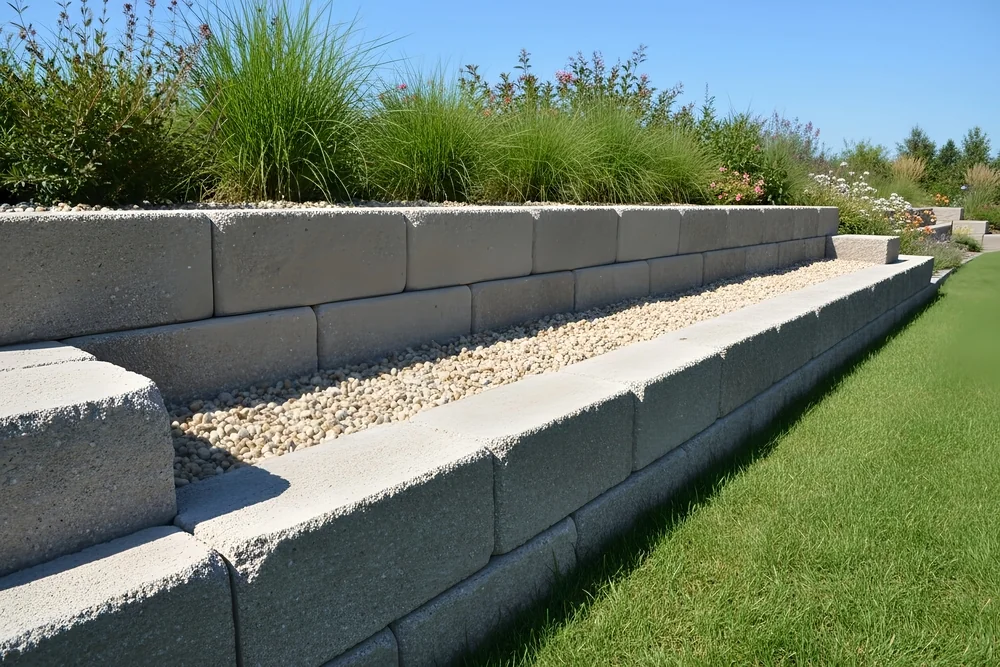
Block systems balance strength with design flexibility. They allow varied finishes while still handling moderate loads. This option suits properties aiming for visual appeal alongside solid performance.
Every property owner balances cost with how long they expect the structure to last. Maintenance tolerance also shapes the final decision. Looking beyond initial price often saves money over time.
Choosing the right option comes down to understanding how the land behaves and how much support it truly needs. When material strength matches soil conditions and water flow stays controlled, the structure works quietly in the background without issues. A clear plan avoids common problems like leaning or cracking and even early wear. This approach gives peace of mind and protects the value of the property.
JBS Excavation & Retaining Walls stays focused on practical outcomes that last rather than quick fixes. Careful assessment and honest advice help property owners choose with confidence. The right material creates a stable foundation that will support the land for years. A well-matched solution always proves its worth over time.

