Modern retaining walls in Mornington Peninsula do far more than hold back soil. Thoughtfully designed, they can transform a tired boundary or crumbling bank into a feature that lifts the whole property. JBS Excavation & Retaining Walls sees every day how an outdated wall can date a home, affect usable space and even reduce street appeal. By contrast, a modern replacement can introduce clean architectural lines, new textures, clever lighting and better integration with garden paths and outdoor living areas.
Contractors explore current retaining wall ideas that bring older landscapes up to today’s standards. Readers will see how updated materials, finishes and construction methods can improve appearance and performance. The discussion touches on popular contemporary styles, ways to combine function with aesthetics and practical considerations that influence long-term durability and value. Property owners will come away with clear insight into what is possible for an ageing retaining wall and how modern design can turn a structural necessity into an asset.
Modern retaining walls are designed to solve more than just soil movement. Homeowners now expect cleaner lines, better drainage, attractive finishes and usable outdoor space. Compared to older railway sleeper walls or plain concrete blocks, modern systems are stronger, longer-lasting and far more flexible in how they look and function.
Contractors focus on modern materials and construction methods that improve safety and performance while also lifting street appeal. Understanding the differences helps homeowners decide whether to repair, replace or completely rethink an existing tired wall.
Older retaining walls were often built with untreated timber, simple concrete blocks or rough stone stacked with minimal engineering. These structures tend to bow, rot or crack after years of soil pressure and weather.
Modern retaining walls use purpose-designed systems such as:
These options resist rot, termites and UV damage far better than old timber. They can be finished in colours and textures that suit contemporary homes, including smooth off-form concrete, stone-look blocks or sleek charcoal sleepers. This shift in materials means less maintenance and a far more polished appearance.
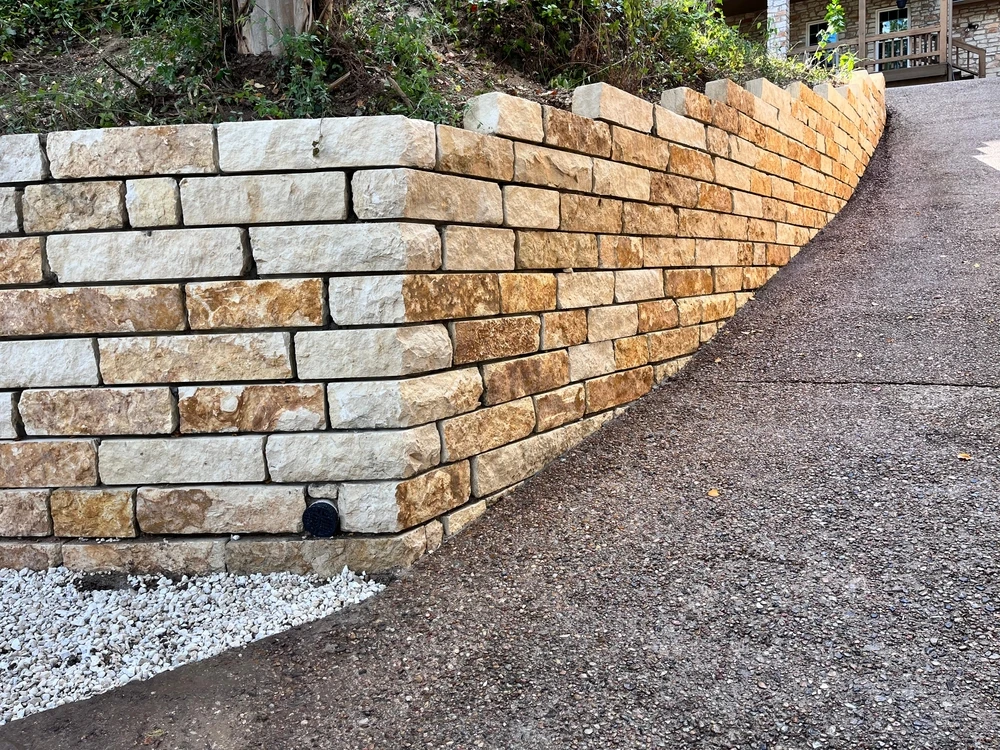
A major weakness in many older walls is poor or non-existent drainage. Without proper design, water builds up behind the wall and increases pressure, which leads to cracking, bulging or sudden failure.
Modern retaining walls are engineered from the start. Contractors allow for:
These details are usually hidden, but they make a big difference to how long a wall lasts. Engineering also covers surcharge loads such as driveways, fences or buildings near the wall, which older walls often ignored. The result is a safer structure that stays straight and secure for decades.
Older retaining walls were mostly functional barriers with little thought given to how the space could be used. They were often tall, monolithic structures that dominated the yard.
Modern retaining wall design looks at the whole landscape. Instead of one high wall, professionals might create a series of terraced walls with integrated steps and planting zones. Low seating height walls around patios, garden beds or fire pits can double as informal benches. Lighting conduits can be built into the wall so outdoor lights can be added without visible cables.
By combining structure with landscaping, modern walls turn previously unusable slopes into level lawns, garden areas and outdoor living spaces. The retaining wall becomes part of the design rather than an eyesore that needs to be hidden.
Homeowners looking to refresh tired retaining walls usually want two things: a cleaner, contemporary look and materials that will last with minimal upkeep. Modern retaining wall design focuses on simple lines, natural textures and colours that complement the house and garden instead of competing with them.
Experts assist clients in choosing materials that suit their style, slope and budget. Each material has different strengths for appearance, durability and maintenance, so it is important to understand how they compare before committing.
Engineered concrete retaining walls remain one of the most popular modern options because they combine strength with a sleek appearance. There are two main approaches: interlocking concrete blocks and poured-in-place concrete.
Interlocking concrete blocks are designed to lock together without mortar. They are ideal for tiered garden walls, stepped seating walls and curved layouts. Modern block systems come in smooth architectural faces or split-face textures that mimic natural stone in neutral greys, charcoals and warm earth tones. These systems are engineered with built-in features for drainage and geogrid reinforcement, which is important for long-lasting performance.
Poured concrete suits clients who want a very clean, minimalist look. A plain smooth finish delivers a sharp architectural style that works especially well besides contemporary homes. Form liners can be used to create board-formed or textured patterns that soften the look while still keeping it modern. Poured concrete requires careful engineering, drainage and quality formwork, so it should always be constructed by an experienced retaining wall contractor.
Natural stone retaining walls remain popular where clients want a premium modern look that still feels organic. The key to keeping stone modern is the choice of colour and the way the stone is laid. Straight lines, consistent joint widths and a limited colour palette will feel more contemporary than rustic.
Common options include sandstone, bluestone and granite in sawn or lightly split finishes. These materials work well for feature walls, entry statements and areas close to outdoor entertaining spaces where detail is more visible. Proper footing design, drainage and stone selection are important to prevent bulging or uneven settlement over time.
For clients who love the look of stone but want to control cost or reduce wall thickness, a concrete structurally designed wall can be built and then finished with a stone veneer. This approach allows more flexibility with engineering while still delivering a high-end finish on the visible faces.
Modern retaining walls do not rely solely on masonry. Treated hardwood and engineered timber systems can provide a warm contemporary feel when used with clean horizontal lines and consistent board spacing. These walls suit lower heights and garden terraces where regular inspection and occasional replacement of boards is manageable.
Steel posts with either timber infill or concrete sleeper infill are another very popular modern solution. Concrete sleepers can be smooth, textured or patterned to resemble stone or timber and are extremely durable with low maintenance. Using galvanised or powder-coated steel posts maintains a crisp, modern look and resists corrosion. This type of hybrid wall is ideal for boundary lines, tight access areas and sites where longevity and structural capacity are critical.
Modern retaining wall design is about more than holding back soil. Homeowners today want walls that improve views, create usable outdoor rooms and tie in with the style of their home. Contractors focus on designs that combine structural strength with a clean contemporary look, so an old or tired wall can become a feature instead of something to hide.
Instead of a single plain barrier, modern approaches use varied materials, integrated lighting and thoughtful layout to make levels feel intentional. The right design can make a small yard feel larger, improve privacy and increase street appeal while still meeting engineering requirements.
Contemporary retaining walls usually favour straight lines, crisp angles and uncluttered faces. Replacing heavily textured blocks or crumbling rock with smooth concrete, large-format segmental blocks or neatly cut stone immediately modernises a space. Consistent colour tones like charcoal, light grey or sandy beige help the wall blend with modern cladding, roofing and paving.
Stepped and terraced layouts are another key approach. Instead of one tall wall, contractors suggest a series of lower walls that create planting shelves or bench-height edges. This reduces visual bulk, improves drainage and makes the garden more functional. A 900 mm change in height, for example, might be split into two 450 mm walls with a planting strip between them, softening the look and giving a more high-end landscape feel.
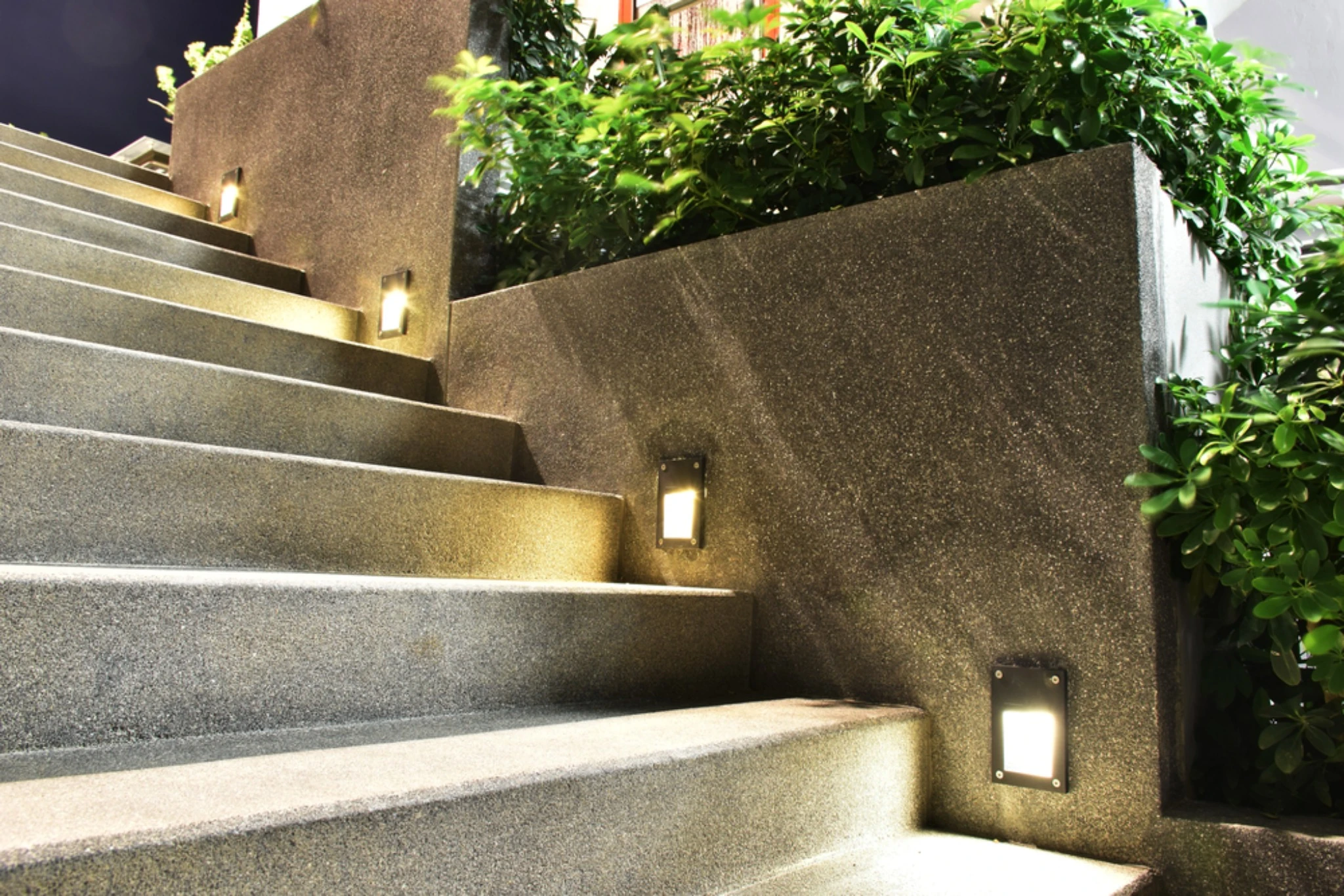
Modern retaining walls work hardest when they serve more than one purpose. A common upgrade is to design the wall so part of it doubles as seating along a fire pit or entertainment area. By setting the top of the wall at typical seat height and finishing it with a wide capping stone or concrete coping, the wall immediately becomes part of the outdoor living zone.
Linking walls with paths and stairs is another practical design move. Poured concrete steps, floating-style concrete treads or block steps faced to match the wall help transition between levels without making the yard feel chopped up. Contractors often align stairs with doors, gates or main sightlines from inside the house so movement between spaces feels natural.
Subtle lighting is also a key modern feature. Low-voltage LED strips or recessed wall lights can be built into the face or cap of the wall to highlight textures and improve safety on steps and paths. Warm white fittings spaced consistently along the wall create an upmarket look and allow the garden to be used comfortably after dark.
Modern design often involves combining two or three materials rather than using just one. A concrete or engineered block wall can be paired with timber batten screens on top for extra height and privacy without making the base wall overpowering. Feature panels of natural stone or vertical cladding can break up a long run of wall so it feels more like architecture than infrastructure.
Planting is essential for transforming a retaining wall into part of the landscape. In hotter aspects, drought-tolerant natives or succulents work well tucked into terraces, while in shaded areas, layered greens can create a lush, modern backdrop that ages gracefully with the structure.
Before tearing out a tired retaining wall and starting again, it is important to understand what is really going on with the structure and the site. A smart plan at this stage can prevent repeated failures, unexpected costs and council issues and will guide the design towards a modern wall that actually performs.
It helps homeowners look beyond appearances to assess stability, drainage, site conditions and approvals. Replacing a wall is not only a cosmetic upgrade. It is a structural project that affects how the property handles water and soil movement.
The first step is working out why the existing wall is failing or looks tired. Simply copying the old design can lead to the same problems returning.
Common warning signs include leaning, bulging, large cracks, rotting timber, tilting posts, sinking sections and washed-out soil behind or below the wall. JBS Excavation & Retaining Walls will look for patterns such as a lean that increases towards one end or cracks that follow a line, which can indicate poor footing or uneven pressure.
Just as important is identifying what is causing these issues. Typical causes include:
Understanding the real cause shapes the new design so the replacement wall is stronger and longer lasting, not just newer.
Retaining walls are closely tied to how water moves through a property. If drainage is not addressed, any new wall is at risk.
Contractors will check the slope above and below the wall, where the roof and surface water drains and whether water is pooling behind the existing structure. Often, a modern replacement will include upgraded drains, gravel backfill, filter fabric and surface water controls to relieve pressure.
Soil type is another key factor. Clay soils hold water and expand, which can push hard on a wall. Sandy or fill soils may need deeper footings or geogrid reinforcement. On steeper blocks, terraced retaining walls might spread the load more effectively than a single tall wall.
Before committing to a design, homeowners should confirm how high the new retaining wall will be, what it needs to support and whether council approval or engineering is required. Many councils set height limits for walls and combined fence and wall structures. Taller walls or walls supporting driveways or buildings usually need an engineer’s design and formal approval.
Access is also crucial. Professionals explain how machinery will reach the work area, where excavated soil will go and how close the wall is to boundaries, services or neighbouring structures. Limited access can influence the choice of material, such as using segmental blocks or sleeper walls that can be installed in tighter spaces.
These practical checks at the start help ensure the new retaining wall is safe, compliant and suited to the way the property is used.
Modern retaining wall solutions are about so much more than replacement. They’re about rethinking the space. By combining good engineering with contemporary design, turn failing or unattractive walls into features that add value, create usable levels, improve safety, manage water properly and tie seamlessly into the rest of your landscaping. The most successful projects always start with a clear assessment: what’s failing, what’s dated and what you actually want from the space. From there, it’s a matter of selecting the right materials, drainage and layout for your site, your budget and your long-term plans. Done properly, a modern retaining wall isn’t a quick cosmetic fix; it’s an investment in the structure and presentation of your property that should perform for decades. If your existing walls are starting to lean, crumble, rot or just drag down the rest of your yard, that’s usually the signal that it’s time to explore something better designed, better built and better suited to how you use your outdoor space today.

